Retirement
Harlequin Property can be saved but it ‘may take five years’

Troubled overseas property scheme Harlequin can be saved but investors will have to sign away their right to pursue the company for losses – and wait between three and five years to see any returns, a lawyer close to the situation has said.
At a meeting of investors in London on Wednesday, Regulatory Legal partner Gareth Fatchett, who is acting for hundreds of Harlequin investors who have poured £400m into the scheme only for the construction of the promised hotels to have stopped, said there was no quick fix to the company’s liquidity problems.
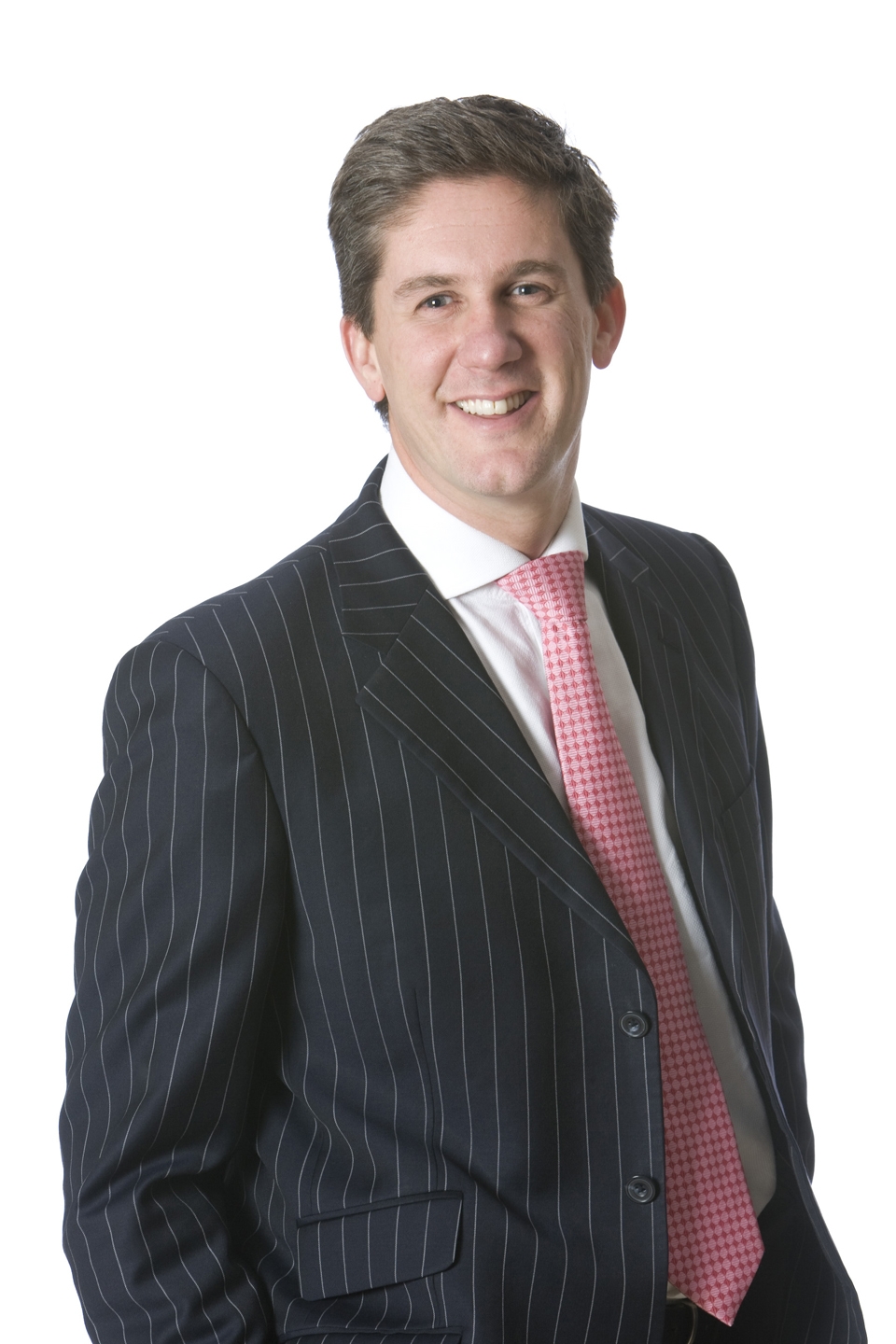
“If we can turn it around, we’re looking at three to five years [before investors get a return]”, Fatchett (pictured) said.
More immediately, investors were told that Harlequin faces liquidation – which will see them as unsecured creditors put to the bottom of the list for any payout – unless they unite to form an independent trust which can court third party finance from developers to re-start building on Harlequin hotels. This will, in turn, generate income for the business.
Crucially, however, as a condition of joining the trust – and in order to attract funding – investors will have to sign away their right to pursue Harlequin through the courts as no third party will entertain putting up the cash the company needs with the threat of legal proceedings hanging over the business.
Securities on the land plots investors bought from Harlequin will be held by the trust, which will be run by five trustees picked from among investors.
“There has to be a compromise,” said Fatchett. “Investors could raise claims against Harlequin but, if everyone does that, no third party funding will come forward, and really the right investors are giving up is the right to go after a company that can’t pay them anyway.”
Fatchett also said that it was “very unlikely” that interest payments Harlequin was paying on loans investors took out to fund their investment in the business would restart, as Harlequin doesn’t have the money to pay them.
Investors who sign the waiver in order to join the trust will not forfeit their right to pursue their financial adviser or self-invested personal pension (SIPP) provider.
About 4,000 of the 6,000 or so investors in Harlequin invested via a SIPP, many through advised pension transfers.
Harlequin chairman David Ames, who also addressed investors at the meeting, admitted he had made mistakes in the running of the business, but defended the overarching model – in which investors and Harlequin each get 50% of the room rate on completed hotel rooms- as “sound”.
He said he was already in talks with potential third party funders who are interested in investing in the business, once an investor trust is in place.
He told investors: “I’m not saying I’ve been a clever boy, I’ve made mistakes, but I’ve been fighting for our money. This was never about me making loads of money. We haven’t done anything wrong.
“A lot of the things that have affected Harlequin have not been due to our decisions [but the global economy].”
Ames said the future of Harlequin was in investors’ hands. “The only people who can bring down Harlequin is [investors].”
