
Household Bills
Ofgem challenges energy distributors to cut costs
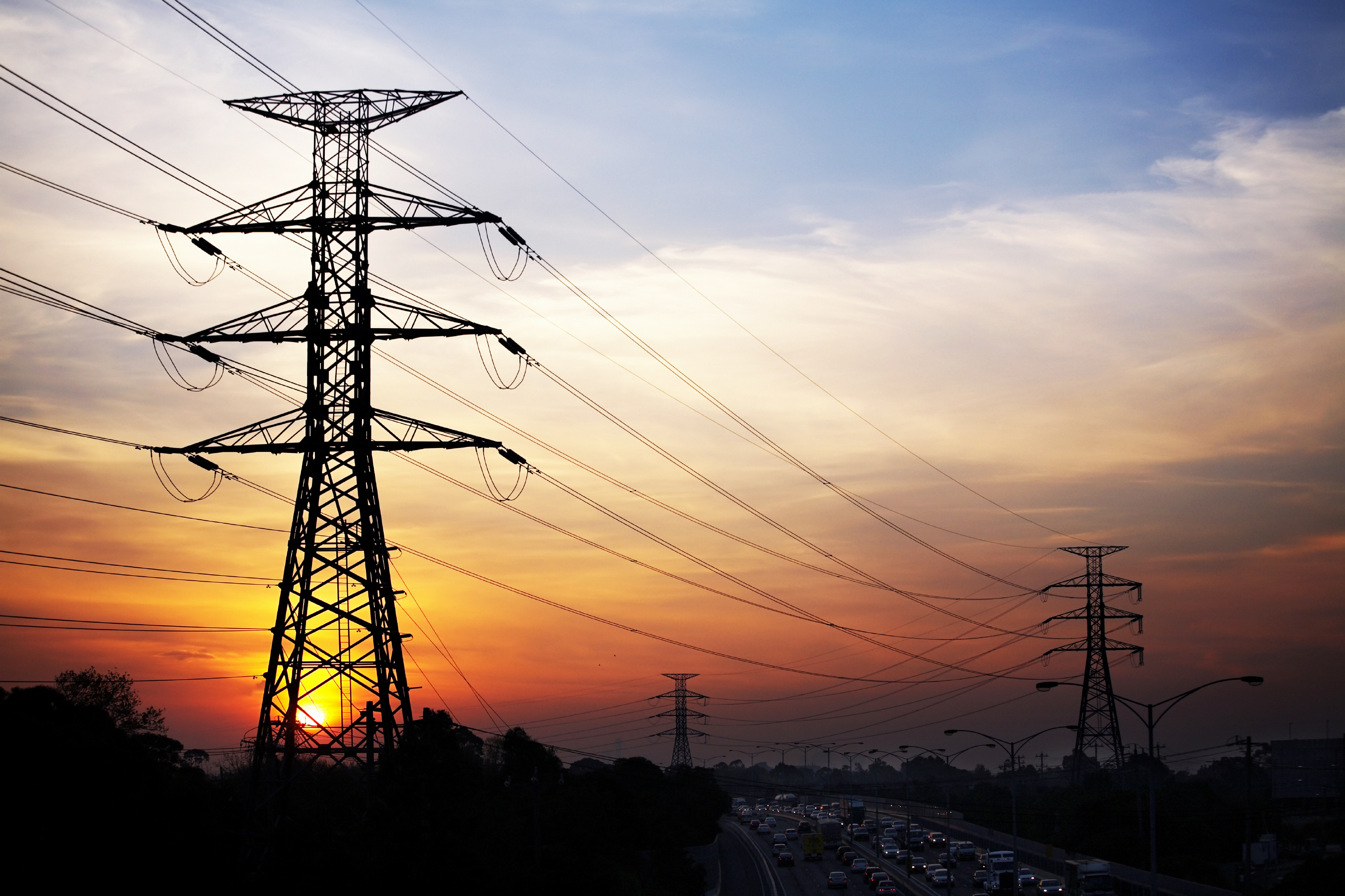

The energy regulator has rejected 5 out of 6 electricity distributors’ investment plans, saying they must do more to cut costs for consumers.
Only Western Power Distribution’s (WPD) business plan provided good value for consumers, Ofgem said.
WPD plans to spend about £7bn between April 2015 and March 2023, with £3bn of that being used to upgrade its network.
Hannah Nixon, senior partner for distribution at Ofgem said: “We understand that energy costs are a big concern for consumers and we set a high target for demonstrating value for money. We are pleased that nearly all companies have pledged to cut bills, but we feel that most companies can go further in cutting their costs and expect to see further improvements when they resubmit their plans in March.
“Western Power Distribution responded well to Ofgem’s challenge to demonstrate good value and drive improvements for consumers while reducing the distribution part of their bill. I’m very pleased that our new approach to price controls, RIIO, has produced a sea change in how companies approach price controls, with all companies producing a very high standard of business plan that have customers at their heart.”
Ofgem said price regulation will see distribution costs cut by 11.6%, or around £11.30, for the nearly 8 million households in WPD’s areas from April 2015.

Click here to view our Sponsored Content Hub
Energy distribution accounts for about 19% of the £430 average annual domestic electricity bill.
All companies responded well to the regulator’s RIIO price controls which have driven over £2bn in savings so far, Ofgem said.
The six companies that own and operate Britain’s electricity network have to submit their business plans for the next price control period – 2015 to 2023 – to Ofgem for approval.
This is because the 14 different regional distribution networks are monopolies and not open to competition.
The six companies are WPD, Electricity North West, Northern Powergrid, UK Power Networks, SSE Power Distribution, and SP Energy Networks.