Household Bills
Time to get excited over Tory tax cuts?
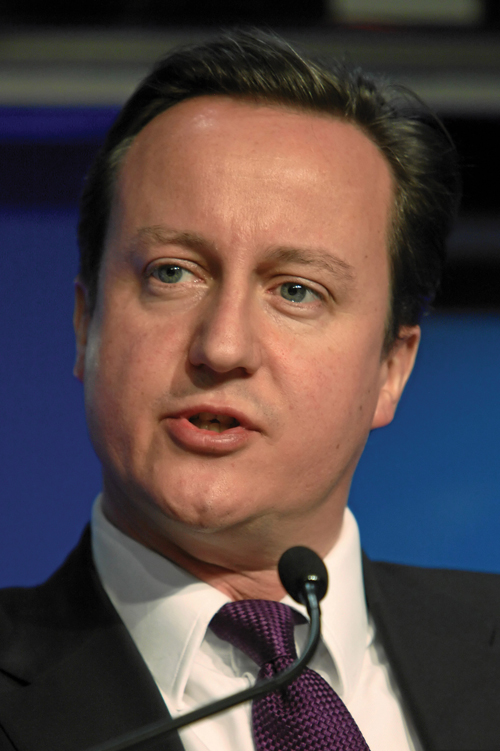

David Cameron used his Tory party conference speech to promise £7bn in tax cuts, aimed squarely at the middle-classes.
Is it likely to make a real difference to everyday households?
Cameron pledged to raise the personal tax allowance by £2,000 to £12,500 and to increase the 40p tax threshold to £50,000 by 2020 if he is returned to power next year.
The Conservative party said that the hike in the personal allowance would take 1 million more of the lowest paid workers out of income tax – and give a tax cut to a further 30 million. It also claimed changing the thresholds would see tax bills reduced for those earning between £50,000 and £100,000 by £1,313.
However, the Institute for Fiscal Studies, talking to the Times, said that once inflation-linked rises were taken into account the pledge would be worth about £160 a year for basic-rate taxpayers and £430 for those currently paying tax at 40%.
The real figure will depend on how much over the threshold a person earns and how many other sources of income or investments they have. For example, someone on £45,000 would be paying an additional 20% on any investment income not held in an Isa. On the other hand, they wouldn’t receive the same level of tax relief for pension contributions.
Certainly, the pledge would reverse the trend to incorporate more and more people into higher rate tax bands. Even Cameron admitted that: “in the past couple of decades, far too many have been dragged into it: teachers, police officers.”
It may make a difference to ordinary households, but the difference is unlikely to be profound.
