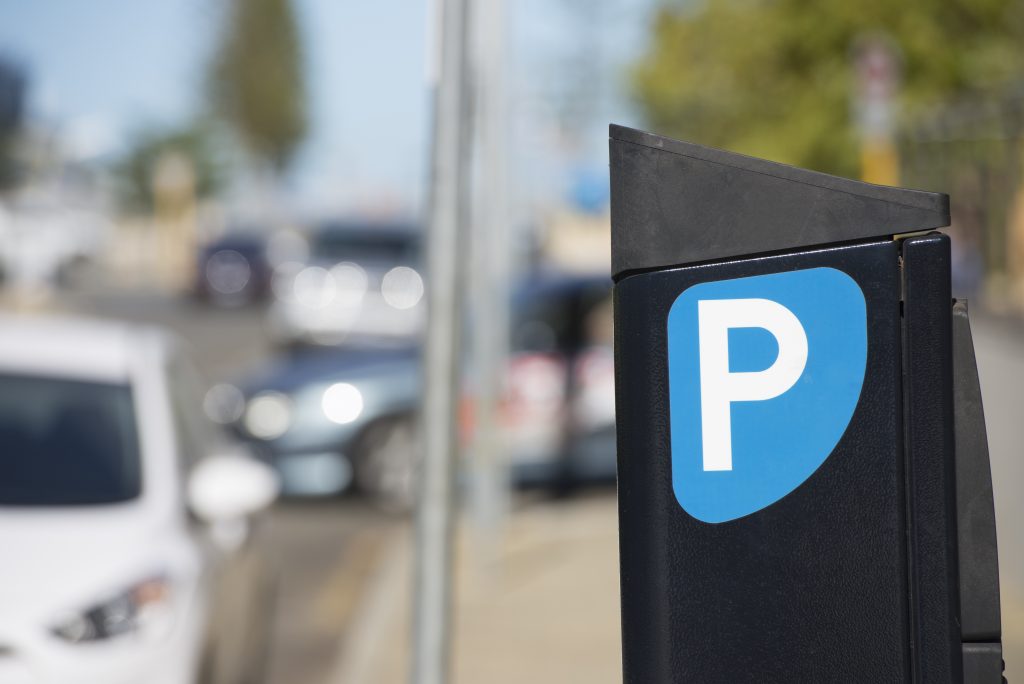

Data released in October by the Ministry of Housing, Communities and Local Government showed that on-street parking raised £698.7m across English councils, while off-street parking raised £340.4m.
In comparison, the 2022/23 financial year saw local authorities raise £962.3m from parking, of which £673.1m was from on-street parking and £289.2m was from off-street parking.
Jack Cousens, The AA’s head of roads policy, said: “Councils have broken through the £1bn income barrier, showing just how vital a revenue stream it is for them.
“With budgets stretched, local authorities will pull any lever available to bring cash into the town hall. The cost of parking, as well as ease of payment, has an impact on consumers and they will ‘vote with their wheels’ if they deem the price too expensive, or a hassle if they can only pay via an app or by phone.
“Now that a quarter of all retail sales are being made online, councils are seeing a drop in footfall to the high street. In their quest to fill the coffers, they may end up driving their customers away.”

Click here to view our Sponsored Content Hub
It’s not just England where parking fees are rising. The extent to which local authorities elsewhere in the UK are using parking fees to boost their coffers was demonstrated by an announcement by Gwynedd Council in North Wales earlier this week.
From 1 April 2025, Pen y Gwryd parking fees will rise from £2 for half a day and £4 for a full day to £4 for six hours and £8 for 12 hours.
Other increases include the price of an annual parking ticket from £140 to £145 per year and the price of a local parking ticket from £70 to £75 per year.
The council will also extend the enforcement hours of short-stay car parks from 10am to 4:30pm to 9am until 5pm.
A Gwynedd Council statement said: “To update the parking strategy and offer appropriate solutions in order to meet the sufficient level of income that is expected from the department. It must be recognised that parking can be a contentious issue and that proposals for parking management can provoke strong feelings from a personal and local perspective.
“However, all options must be looked at and a review of the arrangements is inevitable in terms of financial sustainability in this challenging period in terms of the authority’s budgets.”